Water-Smart Solutions: Xeriscaping and Drought-Resistant Plants for a Beautiful Yard Jun 15, 2026
Xeriscaping is a landscaping philosophy that emphasizes water conservation through smart plant selection and efficient irrigation practices. It's a common misconception that xeriscaping leads to barren or unappealing landscapes. In reality, it opens the door to a diverse range of plants that thrive in low-water conditions, offering vibrant colors and unique textures that can transform any yard.
One of the central components of xeriscaping is the use of drought-resistant plants. These plants are specially adapted to survive with minimal water. By choosing species native to your area, you can ensure your garden is resilient to local climatic conditions while reducing the need for supplemental watering. Popular drought-resistant choices include lavender, agave, and yucca, all known for their striking appearances and ability to withstand dry spells.
Besides selecting the right plants, xeriscaping involves thoughtful landscape planning. This includes grouping plants with similar water needs together, which allows for more efficient irrigation. Implementing drip irrigation systems is also a water-smart solution that delivers moisture directly to the plant roots, minimizing evaporation and saving substantial amounts of water over traditional sprinkler systems.
The benefits of xeriscaping extend beyond water conservation. By reducing or eliminating the need for fertilizers and pesticides, you contribute to a healthier ecosystem. Native plants attract beneficial insects and wildlife, creating a balanced environment that fosters biodiversity. Additionally, the reduced need for lawn mowing and routine maintenance not only saves time but also decreases your landscape's carbon footprint.
Those who embark on the xeriscaping journey often find that their upfront investment quickly pays off. With lower water bills and reduced maintenance expenses, the long-term financial benefits are substantial. Moreover, the aesthetic appeal of a well-planned xeriscape can enhance property values, making it an attractive option for savvy homeowners.
As you consider transitioning to a xeriscape, it's essential to assess your yard's specific needs. Evaluating factors such as soil type, sun exposure, and existing vegetation will guide your plant choices and landscape design. Consulting with experts, like the professionals at Pro Turf Improvers, can provide valuable insights and help you achieve a successful and sustainable landscape transformation.
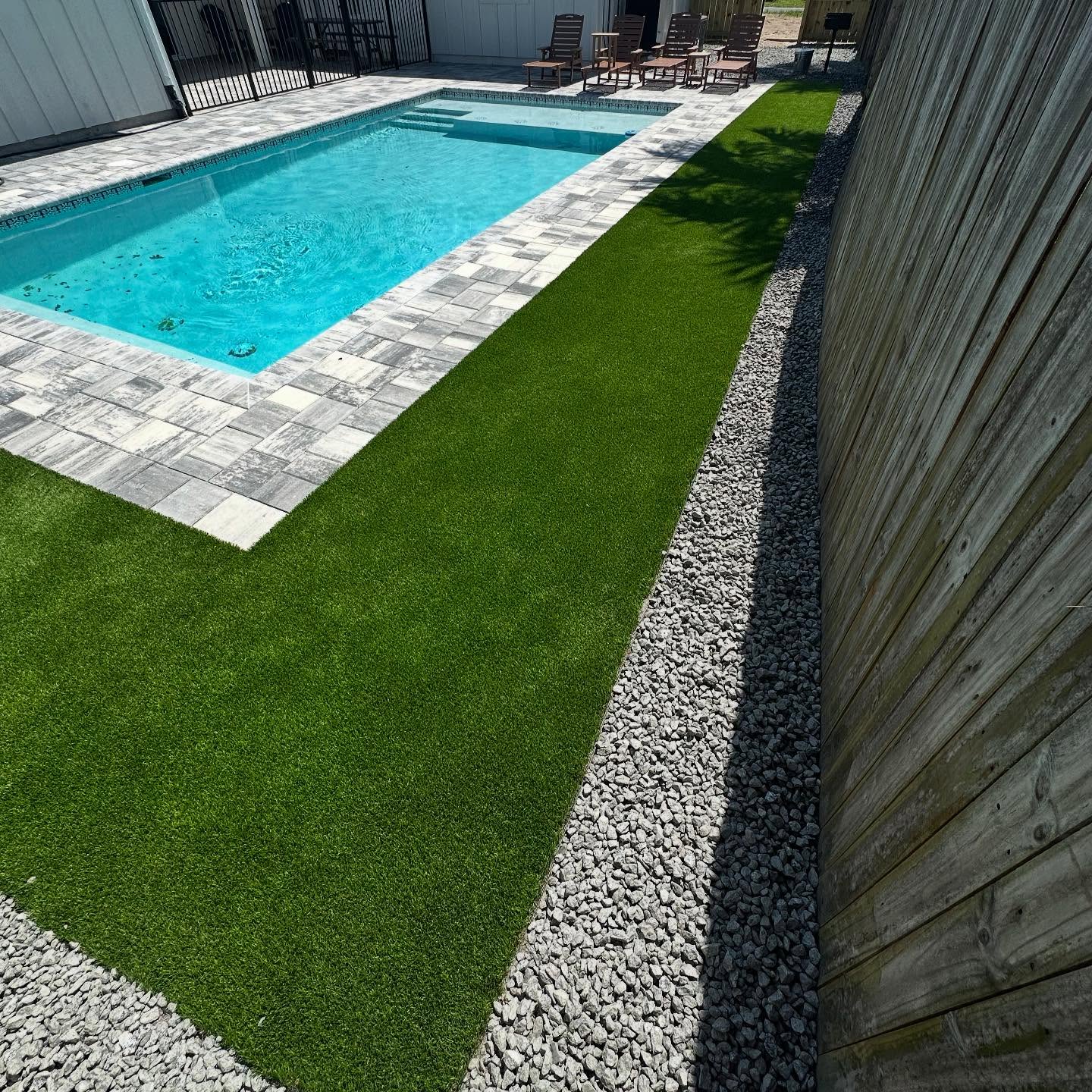
Hardscaping can also play a pivotal role in your xeriscape design. Incorporating elements such as stone pathways, gravel beds, and decorative boulders can add visual interest and structure to your yard. These features require no water and complement the natural aesthetics of drought-resistant plants.
In conclusion, shifting towards a water-smart landscaping approach by embracing xeriscaping and drought-resistant plants offers numerous environmental and economic benefits. It's a practical solution that aligns with the current trends of sustainability and resource conservation. With proper planning and expert guidance, you can create a beautiful, resilient yard that thrives year-round without breaking the bank or burdening the planet. Transform your outdoor space into a water-smart oasis and enjoy the lasting rewards that come with it.
/filters:no_upscale()/filters:format(webp)/media/2cc3ecf5-d3eb-4f82-8345-419852cb0149.jpeg)
/filters:no_upscale()/filters:format(webp)/media/b1f148ef-5d83-4747-989c-573720b3c9f2.jpeg)