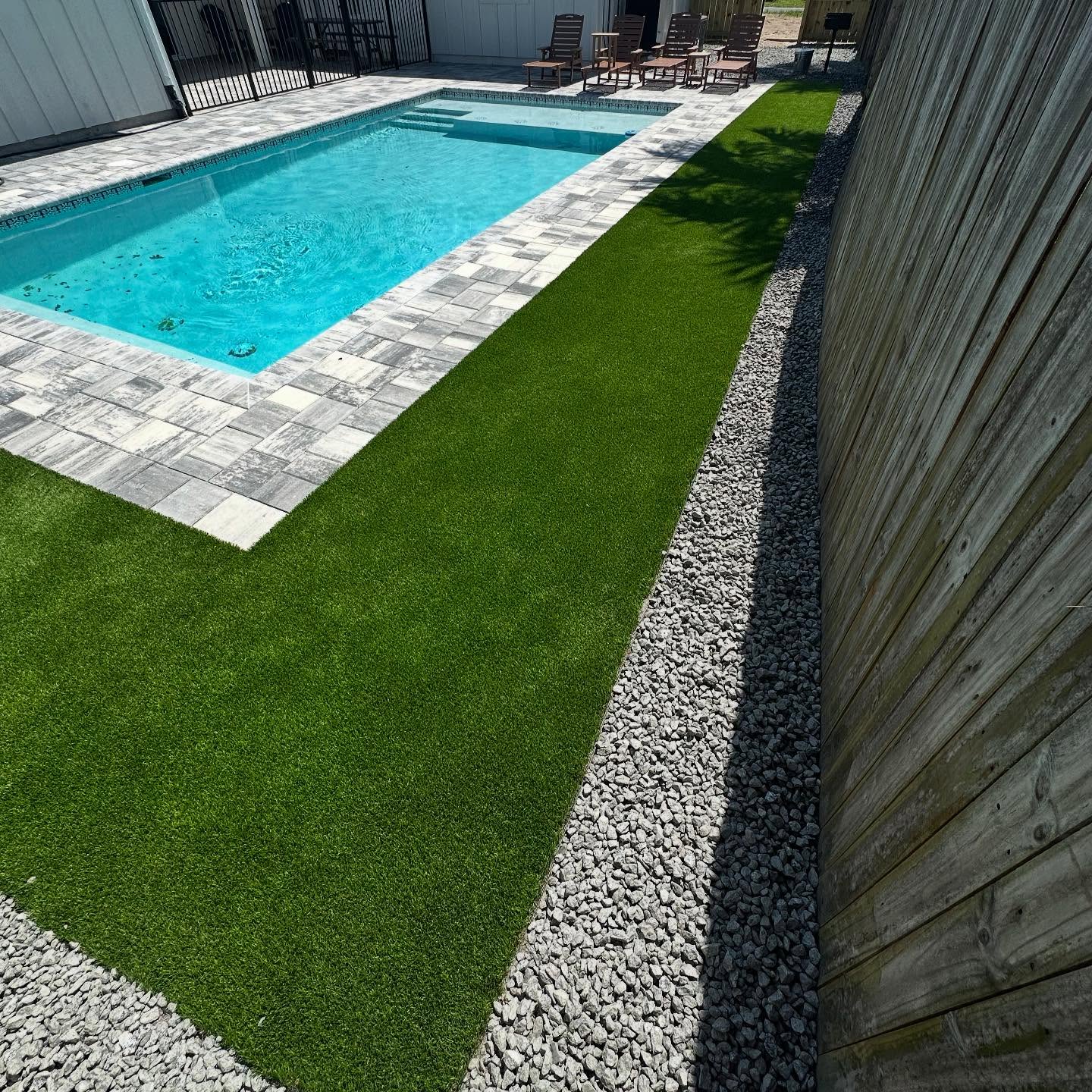
Greener Futures: Innovative Techniques for Sustainable Lawn Care Jun 03, 2026
The journey to sustainable lawn care begins with understanding the soil beneath your feet. Healthy soil is the foundation of a robust lawn. Traditional methods often rely heavily on chemical fertilizers which can lead to soil degradation over time. Instead, we recommend the use of organic composts and natural soil amendments. These enrich the soil with essential nutrients, boost microbial activity, and improve soil structure, leading to vibrant and healthy grass.
Choosing the right grass variety for your lawn is another crucial aspect of sustainable landscaping. Some grass types are better suited to specific climates and require less water and maintenance. For instance, native grasses are an excellent choice as they are adapted to local conditions. This reduces the need for excessive watering and chemical treatments. Working with native species supports local biodiversity and creates a habitat for local wildlife.
Water conservation is a key component of sustainable lawn care. An efficient irrigation system not only reduces water wastage but also ensures your lawn receives the optimal amount of moisture. Drip irrigation and smart sprinkler systems that adjust based on weather conditions are effective tools in conserving water. Additionally, strategic watering practices, such as watering during the cooler hours of the day and implementing rainwater harvesting systems, significantly contribute to water conservation efforts.
Incorporating plant diversity in your landscaping design enhances the sustainability of your outdoor space. Not only do a variety of plants contribute to soil fertility, but they also create a more resilient ecosystem. Planting perennials alongside your grass can provide natural pest control and reduce the need for chemical insecticides. These plants serve as a habitat and food source for beneficial insects, encouraging a balanced ecosystem that naturally reduces pest outbreaks.
Mulching is another sustainable practice that supports a healthy lawn. By spreading organic or inorganic mulch materials around plants and over bare soil, moisture retention is improved and weed growth is suppressed. Furthermore, as organic mulch decomposes, it adds valuable nutrients back into the soil, promoting a healthier lawn ecosystem.
Finally, implementing a regular lawn maintenance schedule that includes mowing, aerating, and dethatching is key to maintaining a sustainable lawn. Mowing your lawn at the proper height encourages deeper root growth and reduces stress on the grass. Aeration helps alleviate soil compaction, promoting better air exchange and water infiltration. Regular dethatching removes excessive layers of dead grass, ensuring nutrients and water penetrate effectively.
In conclusion, innovative and sustainable lawn care techniques are vital in promoting healthier lawns and a healthier planet. At Pro Turf Improvers, our goal is to combine expertise with eco-friendly practices to create beautiful, sustainable outdoor spaces that you can enjoy for years to come. By adopting these strategies, we take significant steps towards a greener future while enhancing the natural beauty of your property. Let's work together to make your lawn not just a part of your home, but a contribution to the environment.
/filters:no_upscale()/filters:format(webp)/media/2cc3ecf5-d3eb-4f82-8345-419852cb0149.jpeg)
/filters:no_upscale()/filters:format(webp)/media/b1f148ef-5d83-4747-989c-573720b3c9f2.jpeg)